
Vietnam Offers Manufacturing Potential. Execution Makes the Difference.
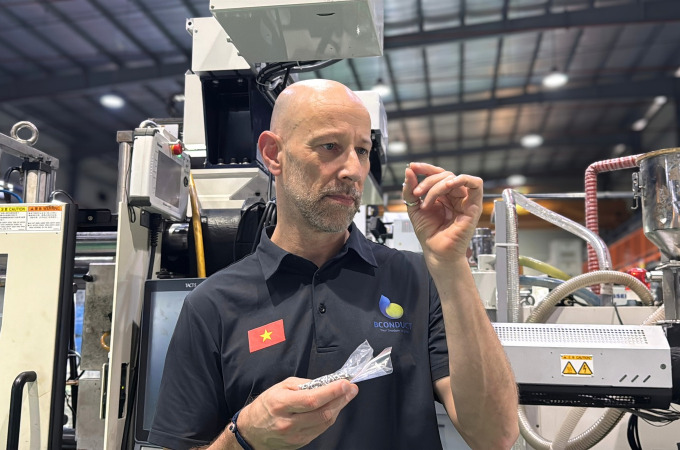
Vietnam has become an increasingly attractive manufacturing destination for international companies looking to diversify their supply chains, access competitive production capabilities, and establish alternative manufacturing sources.
The country offers a growing industrial base, skilled manufacturing workforces, and suppliers across a wide range of industries, including precision machining, metal fabrication, plastic injection molding, electronics, and assembly.
However, identifying manufacturing potential is only the beginning.
For companies operating from overseas, the real challenge is finding the right suppliers, translating technical requirements into consistent production processes, and maintaining visibility and control throughout manufacturing.
A competitive quotation does not guarantee production capability. An approved sample does not guarantee consistent mass production. And a supplier’s delivery commitment does not necessarily mean that the finished products will meet the required specifications.
Building a reliable manufacturing operation in Vietnam requires more than finding a factory. It requires a structured approach to supplier qualification, engineering coordination, production management, and quality control.
The Challenge: Moving Production to Vietnam Without Losing Control
Consider an international company looking to establish a new manufacturing source in Vietnam.
The company has established product specifications, technical drawings, quality requirements, and delivery expectations. It needs a manufacturing partner capable of meeting these requirements while maintaining competitive costs and reliable production.
But several challenges emerge during the process.
1. Finding the Right Manufacturing Partner
Vietnam has a diverse supplier landscape, but manufacturing capabilities vary significantly between factories.
A supplier may have the necessary machinery but lack experience with specific tolerances, materials, or production requirements. Another may deliver competitive pricing but lack the engineering processes or quality systems needed for consistent output.
Selecting a supplier based only on price, equipment, or initial samples can create risks later in production.
The critical step is evaluating whether the factory can meet the complete project requirements, not simply whether it can manufacture the part.
2. Translating Technical Requirements Into Production
Technical drawings and specifications define what the customer expects. However, successful manufacturing depends on how those requirements are interpreted and implemented on the factory floor.
Misunderstood tolerances, outdated drawing revisions, incomplete inspection criteria, or insufficient process planning can lead to defects and unnecessary rework.
These problems often originate before production even begins.
Without proper engineering coordination, small misunderstandings during initial planning can become expensive manufacturing problems later.
3. Maintaining Production Visibility
Managing suppliers from another country creates an information gap.
Customers may receive production updates and delivery schedules, but these reports do not always reflect what is actually happening on the factory floor.
A production line can appear to be on schedule while experiencing recurring defects, low process stability, or unresolved technical issues.
Without independent production monitoring, customers may only discover these problems during final inspection or, worse, after shipment.
4. Maintaining Consistent Quality at Scale
Passing an initial sample inspection is not the same as maintaining quality throughout mass production.
Material variations, machine conditions, operator practices, process changes, and inadequate inspection procedures can all affect production consistency.
Quality must therefore be verified throughout the manufacturing process, from incoming materials to finished goods.
The Approach: Establishing Control Across the Manufacturing Process
A reliable manufacturing operation requires coordination across several connected stages.
Bconduct supports international customers by managing supplier qualification, engineering coordination, production oversight, and quality control directly in Vietnam.
1. Supplier Qualification and Selection
The process begins with understanding the customer’s technical and commercial requirements.
Potential suppliers are evaluated based on relevant manufacturing capabilities, equipment, technical experience, quality management, production capacity, and ability to meet project requirements.
The objective is not simply to identify a factory that can provide a quotation.
It is to establish whether the supplier can reliably execute the project and support future production requirements.
2. Engineering Review and Production Preparation
Before production starts, technical requirements must be translated into clear manufacturing and inspection expectations.
This includes reviewing drawings, materials, tolerances, manufacturing methods, critical dimensions, and quality acceptance criteria.
Any technical gaps or potential production risks should be identified early, when corrective actions are easier and less expensive to implement.
Clear communication between the customer, Bconduct, and the manufacturing supplier helps ensure that everyone is working toward the same requirements.
3. On-Site Production Monitoring
Once production begins, maintaining visibility becomes essential.
Bconduct’s local presence enables direct communication with suppliers and monitoring of actual production conditions.
This includes reviewing production progress, identifying deviations, following up on technical issues, and ensuring that corrective actions are implemented.
Rather than relying exclusively on supplier-reported updates, customers gain access to manufacturing information and direct oversight on the ground.
4. Quality Control Throughout Production
Quality control is integrated into the manufacturing process rather than treated as a final inspection activity.
Depending on the project, verification may include:
-
Incoming Quality Control (IQC): Checking incoming materials and components before production.
-
In-Process Quality Control (IPQC): Monitoring manufacturing processes and verifying critical characteristics during production.
-
Outgoing Quality Control (OQC): Verifying finished products against approved specifications before shipment.
Inspection methods and reporting requirements are defined according to the product, technical specifications, and customer expectations.
When deviations are identified, the focus is on understanding the root cause, coordinating corrective actions, and preventing recurring problems.
The Business Impact: More Than Finding a Lower-Cost Supplier
Establishing manufacturing in Vietnam should deliver more than competitive production costs.
The value comes from building a manufacturing operation that customers can depend on as their business grows.
A structured supplier management and production control approach helps companies achieve:
Greater supplier confidence
Manufacturing partners are evaluated against actual project requirements, reducing the risks associated with selecting suppliers based solely on quotations or initial samples.
Fewer costly production surprises
Technical gaps, process deviations, and quality issues can be identified earlier, reducing the likelihood of expensive rework, shipment delays, and unexpected corrective actions.
Better production visibility
Customers gain a clearer understanding of actual factory conditions, production progress, and outstanding issues rather than relying only on scheduled updates.
More consistent product quality
Continuous verification and corrective action help maintain alignment between approved specifications and actual production output.
A stronger foundation for scaling
Once supplier capabilities, production processes, and quality expectations are established, companies are better positioned to increase production volumes and develop long-term manufacturing relationships.
Why Local Execution Matters
Managing manufacturing remotely is possible, but it becomes increasingly difficult when technical issues, production changes, and quality deviations require immediate attention.
Language differences, communication gaps, time zones, and limited factory visibility can slow down decisions and delay corrective actions.
Having an experienced local team changes how these challenges are managed.
Bconduct works directly with manufacturing suppliers in Vietnam, connecting international customer requirements with actual factory execution.
From supplier qualification and engineering coordination to production monitoring and quality verification, Bconduct provides the local management needed to maintain control throughout the manufacturing journey.
Building Your Manufacturing Future in Vietnam
Vietnam offers significant opportunities for companies looking to develop or diversify their manufacturing operations.
But successful production is not determined by where a product is manufactured. It is determined by how well the entire process is managed.
The right supplier, clear engineering requirements, continuous production oversight, and disciplined quality control must work together.
Bconduct helps international companies turn Vietnam’s manufacturing potential into controlled, reliable production.
Whether you are evaluating new suppliers, transferring existing production, or expanding manufacturing capacity, Bconduct provides the local engineering and production management needed to move forward with confidence.
Related posts
5 Critical CNC Machining Factors: Materials, Tolerances & Costs

Production Execution: Bringing Quality and Delivery Risks Under Control